Enterprise Data Intelligence and AI Agent Implementation: From Data Readiness to Trusted Operations
This article explores how to ensure efficient and secure data processing and analysis in the implementation of enterprise data intelligence and AI agents by improving data readiness and achieving trusted operations.
Enterprise Data Intelligence and AI Agent Implementation: From Data Readiness to Trusted Operations
In the current practice of enterprise data intelligence and AI Agent implementation, data readiness and trusted operations are two critical factors. Data readiness determines whether an enterprise can smoothly conduct data processing and analysis after introducing an AI Agent, while trusted operations ensure the security and compliance of the AI Agent when handling sensitive data. This article will explore how to improve data readiness and achieve trusted operations through means such as semantic layers, data governance, and private deployment.
1. The Importance of Data Readiness
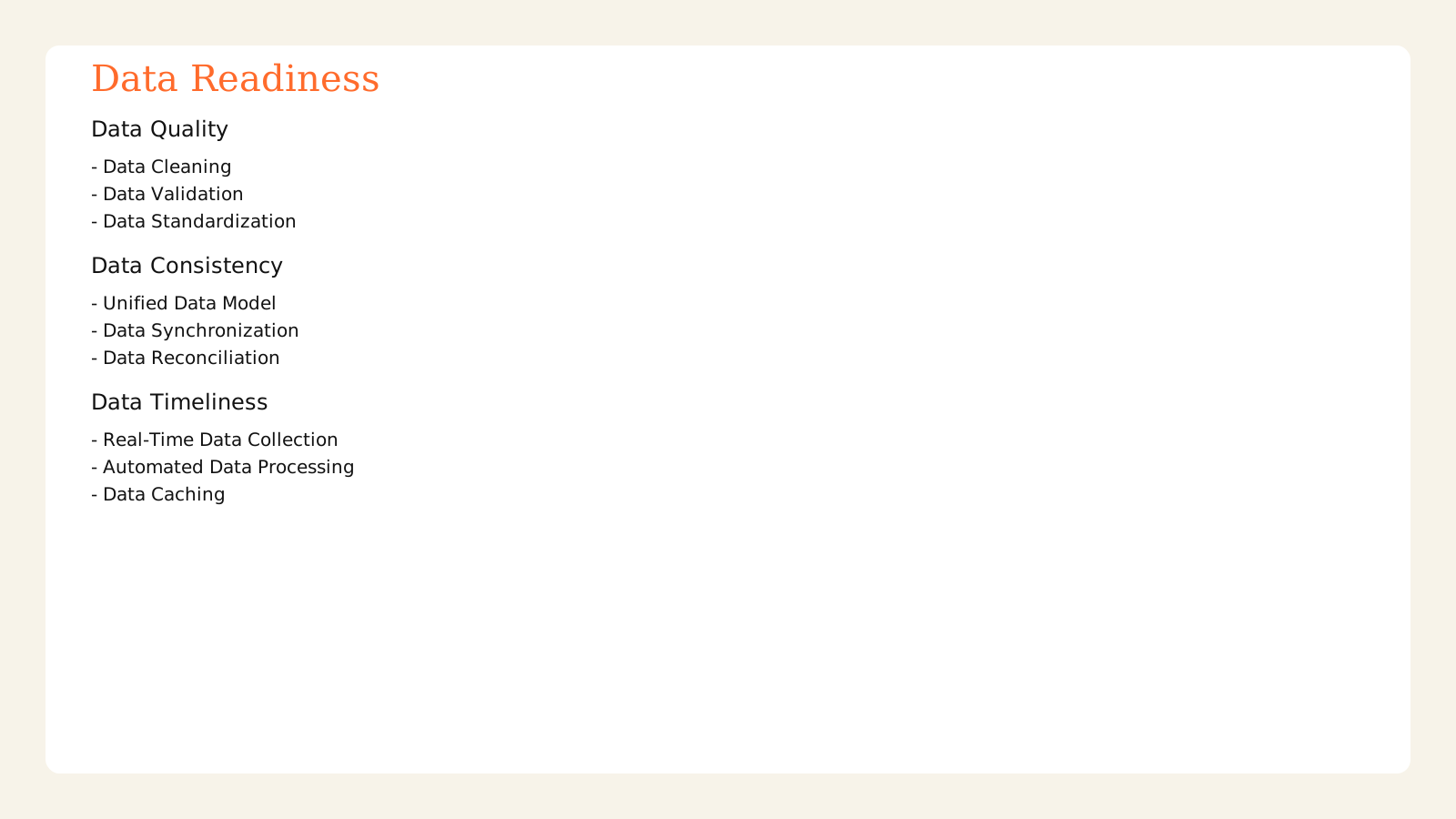
Data readiness refers to the completeness and availability of enterprise data, including data quality, consistency, timeliness, and structural integrity. Ensuring data readiness is crucial before introducing an AI Agent. If the data quality is poor or there are a large number of missing values, the performance of the AI Agent will be significantly reduced. Additionally, inconsistent data standards across different departments can also lead to biased analysis results.
1.1 Data Quality
Data quality directly affects the accuracy and reliability of the AI Agent. In practical applications, common data quality issues include missing data, erroneous records, and duplicate data. To improve data quality, enterprises can take the following measures:
- Data Cleaning: Use data cleaning tools to preprocess the data, removing invalid records and outliers.
- Data Validation: Detect data consistency and integrity through rule validation and statistical analysis.
- Data Standardization: Unify data formats and encoding to reduce problems caused by format inconsistencies.
1.2 Data Consistency
Data consistency means that data from different sources remains consistent in content and structure. In multi-departmental collaboration scenarios, data consistency is particularly important. For example, in manufacturing companies, the data standards between the finance department and the production department often differ, leading to inconsistencies in reports. To address this issue, enterprises can adopt the following methods:
- Unified Data Model: Establish a unified data model to standardize data fields and naming conventions.
- Data Synchronization: Regularly synchronize data across departments to ensure real-time updates.
- Data Reconciliation: Conduct regular data reconciliation to identify and resolve inconsistencies.
1.3 Data Timeliness
Data timeliness refers to the ability of data to quickly reflect business changes. In a fast-paced business environment, timely access and processing of data are crucial for decision support. To improve data timeliness, enterprises can adopt the following strategies:
- Real-Time Data Collection: Use real-time data collection technologies, such as stream processing systems, to collect and process data in real time.
- Automated Data Processing: Use automation tools to reduce the time and manpower costs of data processing.
- Data Caching: Use data caching technology appropriately to improve data access speed.
2. The Role of the Semantic Layer
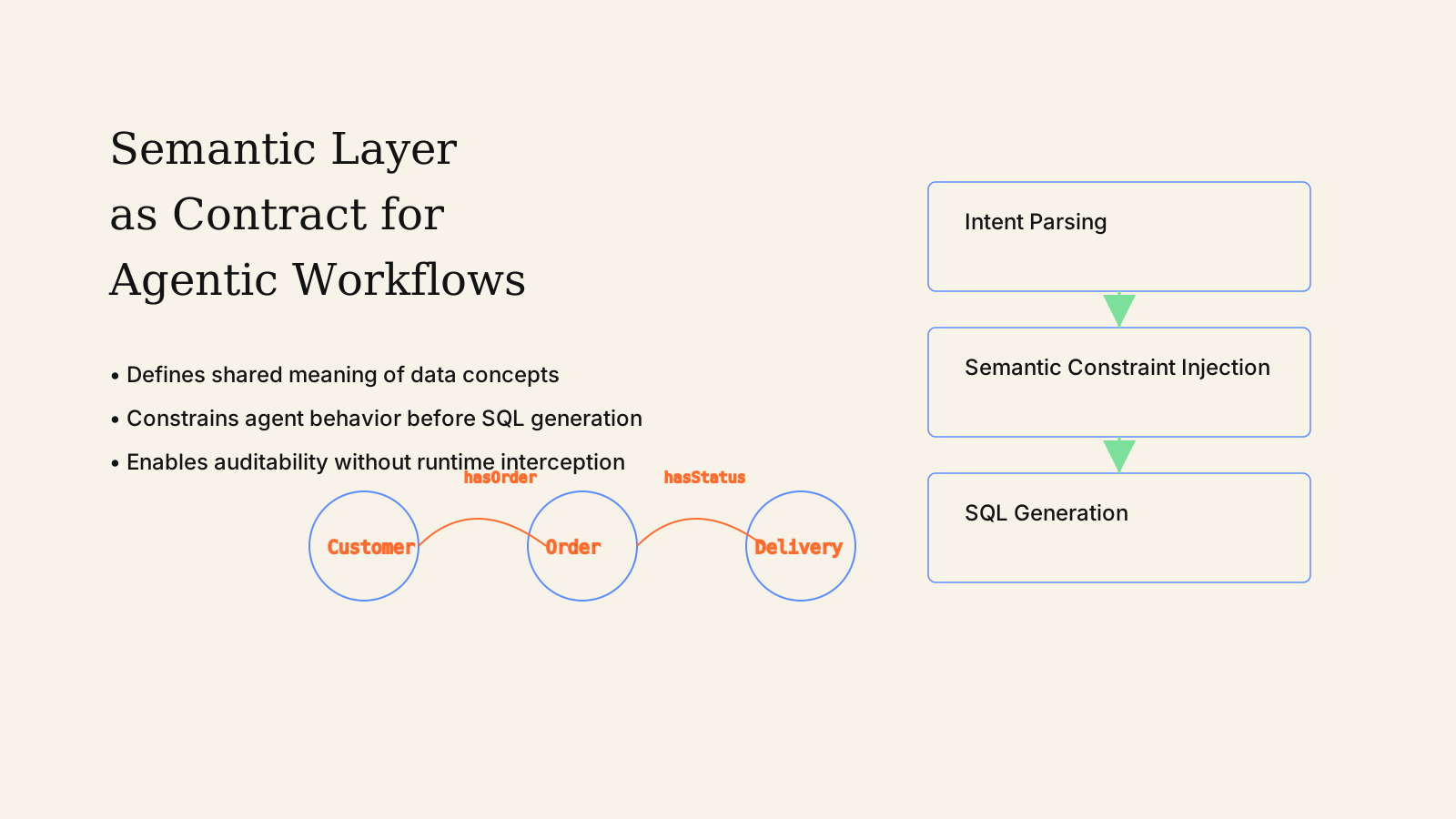
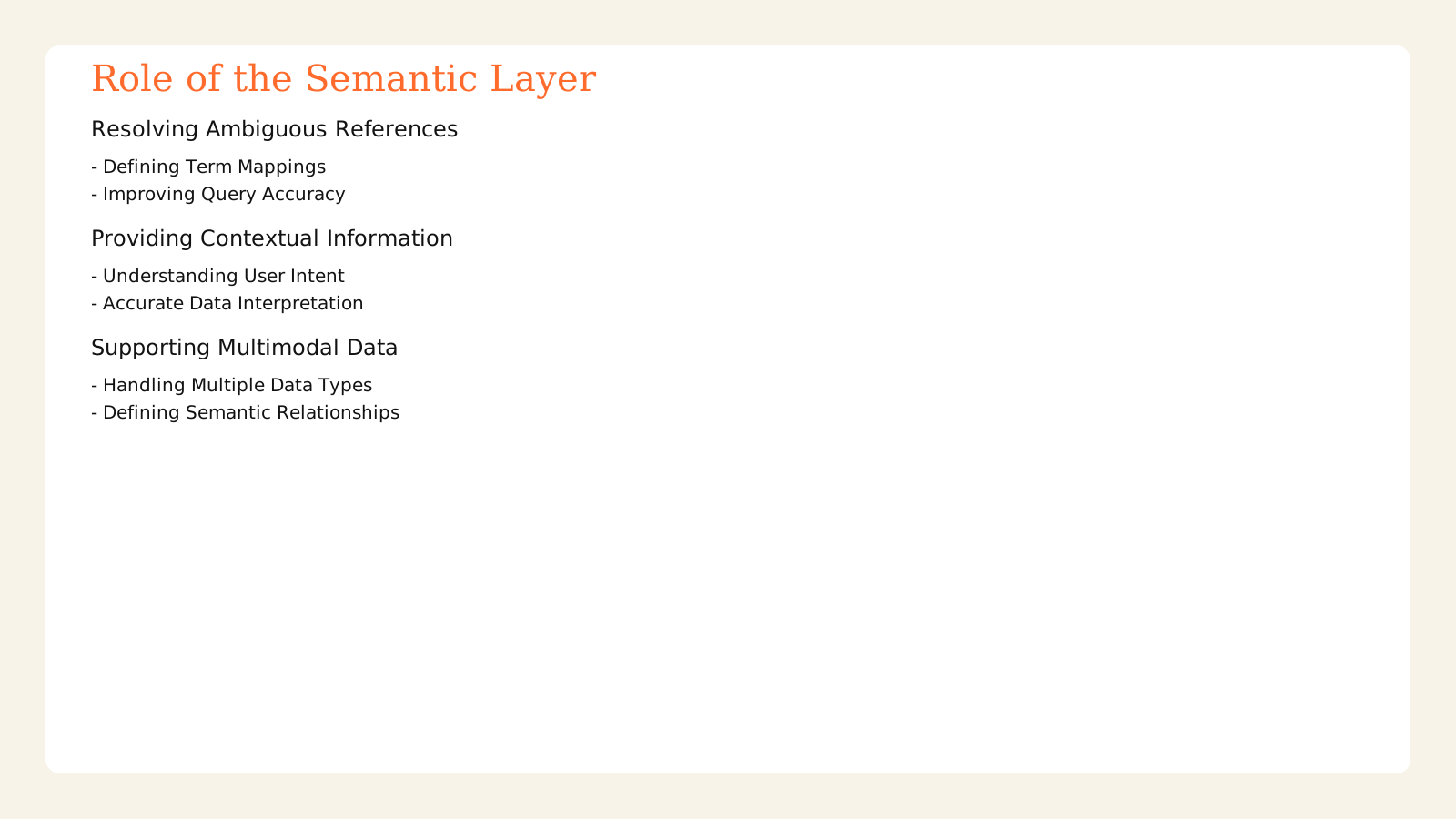
The semantic layer acts as a bridge between data sources and the AI Agent, defining the business meaning and logical relationships of the data, allowing the AI Agent to better understand and process the data. The main roles of the semantic layer include:
2.1 Resolving Ambiguous References
In natural language queries, ambiguous references often occur. For example, users may use different terms to describe the same concept. The semantic layer can resolve these ambiguities by defining mappings between terms, thereby improving query accuracy.
2.2 Providing Contextual Information
The semantic layer not only includes static definitions of data but also contains contextual information about the data. This contextual information helps the AI Agent better understand the user's intent and respond more accurately. For example, in the financial sector, the same transaction may have different interpretations in different business contexts. The semantic layer can provide contextual information to help the AI Agent correctly interpret the transaction data.
2.3 Supporting Multimodal Data
With the diversification of data types, enterprises need to handle not only structured data but also text, images, audio, and other types of data. The semantic layer can support the processing and analysis of multimodal data by defining the semantic relationships between different types of data.
3. Data Governance and Private Deployment
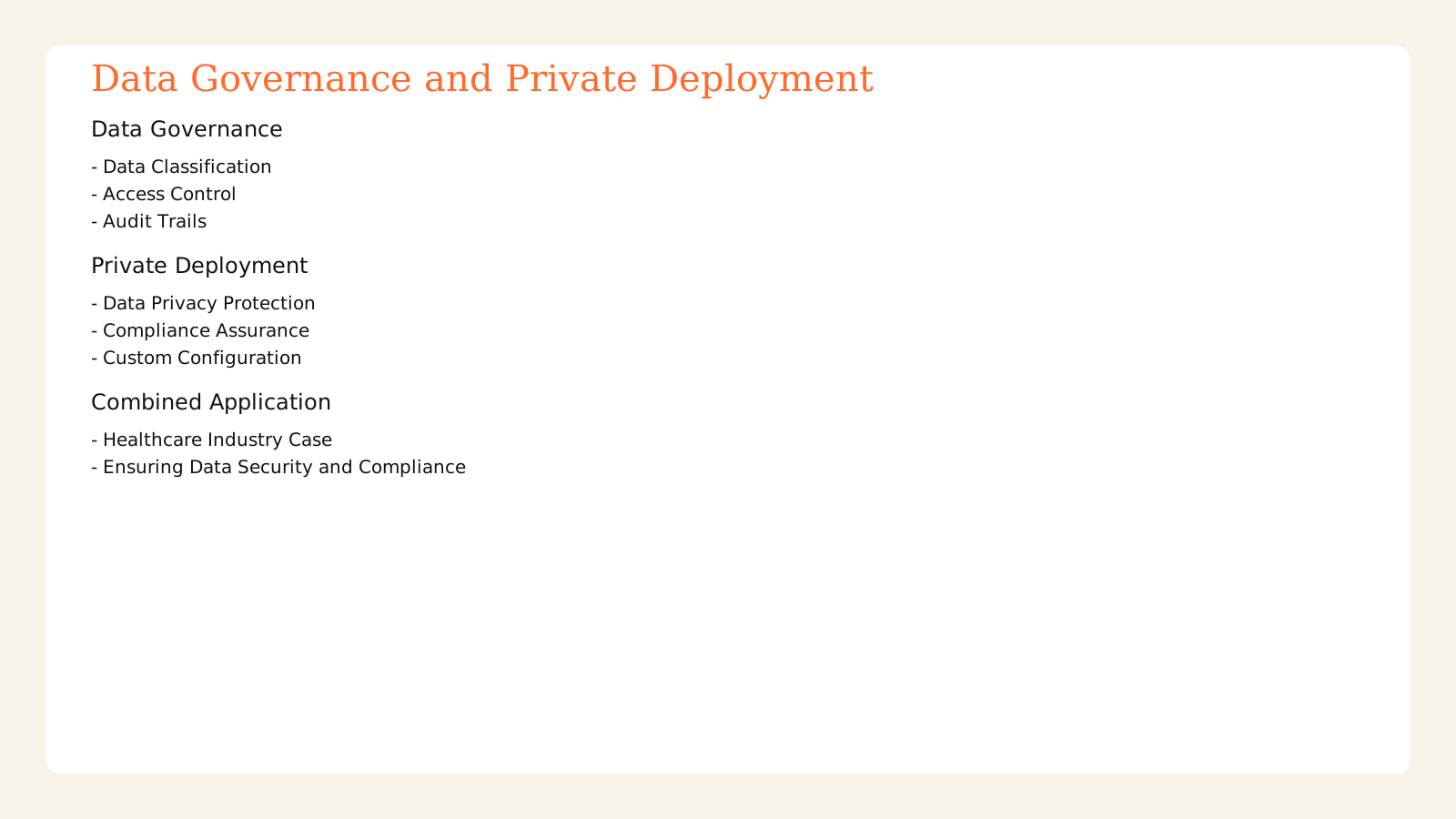
Data governance is a crucial means to ensure data quality and security, while private deployment is an effective way to protect data privacy and compliance. In the implementation of enterprise data intelligence and AI Agents, the combination of data governance and private deployment can provide higher security for enterprises.
3.1 Data Governance
Data governance involves the full lifecycle management of data, including data collection, storage, processing, sharing, and destruction. Good data governance ensures data consistency, integrity, and security. Specific measures include:
- Data Classification: Classify data based on its sensitivity and importance, and establish corresponding management and protection measures.
- Access Control: Strictly control data access permissions to ensure that only authorized personnel can access sensitive data.
- Audit Trails: Record data operation logs for post-event tracing and review.
3.2 Private Deployment
Private deployment refers to deploying data and applications on internal servers within the enterprise rather than on public cloud platforms. This approach effectively avoids the risks of data leakage and third-party access. The advantages of private deployment include:
- Data Privacy Protection: Storing data internally reduces the risk of data leakage.
- Compliance Assurance: Meets industry and regional data protection regulations.
- Custom Configuration: Can be customized and optimized according to the specific needs of the enterprise.
3.3 Combined Application
Combining data governance and private deployment can provide comprehensive data security and compliance assurance for enterprises. For example, in the healthcare industry, the privacy protection of patient data is critical. Through private deployment and strict data governance, the security and compliance of patient data can be ensured.
4. Ensuring Trusted Operations
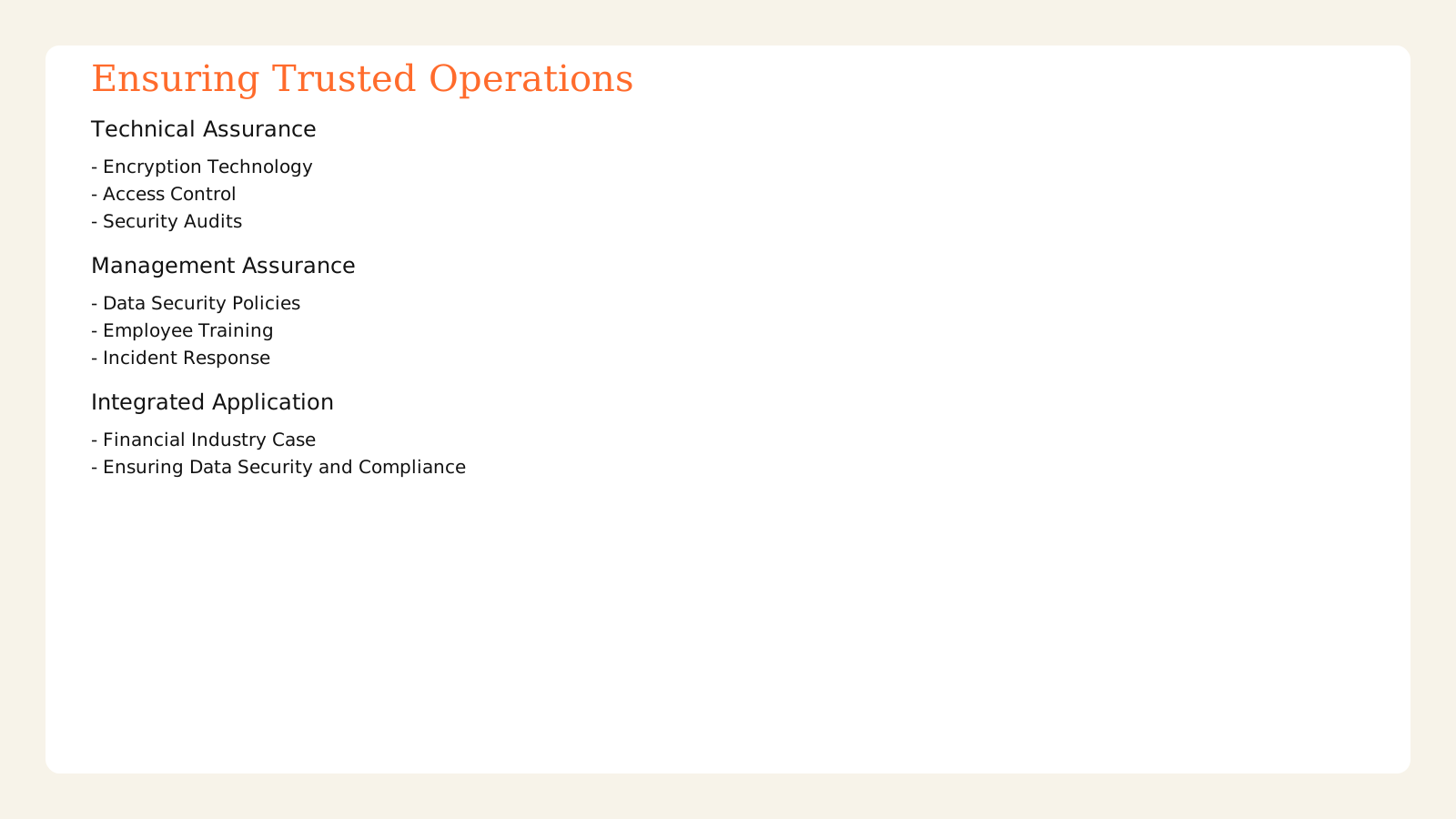
Trusted operations refer to ensuring the security and compliance of the AI Agent when handling sensitive data. To achieve trusted operations, enterprises need to take a series of technical and management measures.
4.1 Technical Assurance
Technical assurance is the foundation of achieving trusted operations. By adopting advanced technical means, data leaks and unauthorized access can be effectively prevented. The main technical measures include:
- Encryption Technology: Encrypt sensitive data so that even if it is intercepted, it cannot be read.
- Access Control: Implement strict access control mechanisms to ensure that only authorized personnel can access sensitive data.
- Security Audits: Conduct regular security audits to identify and fix security vulnerabilities.
4.2 Management Assurance
Management assurance is key to ensuring trusted operations. By establishing sound management systems, data processing procedures can be standardized, and human risks can be reduced. The main management measures include:
- Data Security Policies: Develop detailed data security policies to specify the standards and requirements for data processing.
- Employee Training: Regularly train employees on data security to enhance their awareness and skills.
- Incident Response: Establish an incident response mechanism to quickly take action in case of a data security event.
4.3 Integrated Application
Combining technical and management assurance can provide comprehensive trusted operation assurance for enterprises. For example, in the financial industry, data security and compliance requirements are extremely high. By adopting encryption technology, access control, and security audits, as well as developing data security policies, conducting employee training, and establishing an incident response mechanism, the security and compliance of financial data can be ensured.
Conclusion
In the implementation of enterprise data intelligence and AI Agents, data readiness and trusted operations are two critical factors. By improving data quality, consistency, and timeliness, building a semantic layer, strengthening data governance and private deployment, and taking technical and management assurance measures, enterprises can achieve efficient and secure data processing and analysis. It is hoped that this article will provide valuable references for enterprises in advancing data intelligence and AI Agents.
References
This article is based on publicly available industry information and the author's practical experience.
- (No external citations)